

Applications
Related Products
Benefits
Green Infrastructure Solution
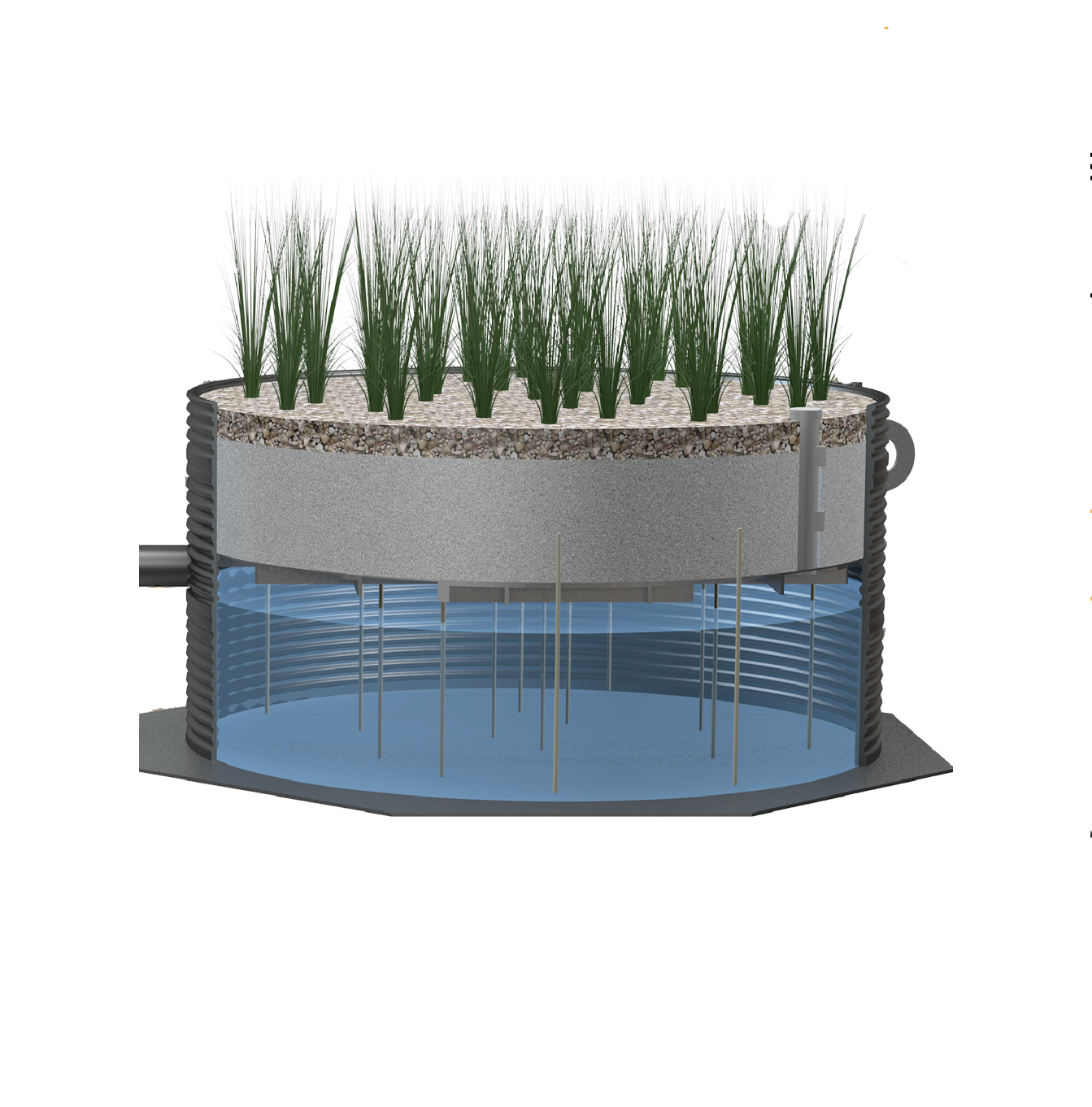
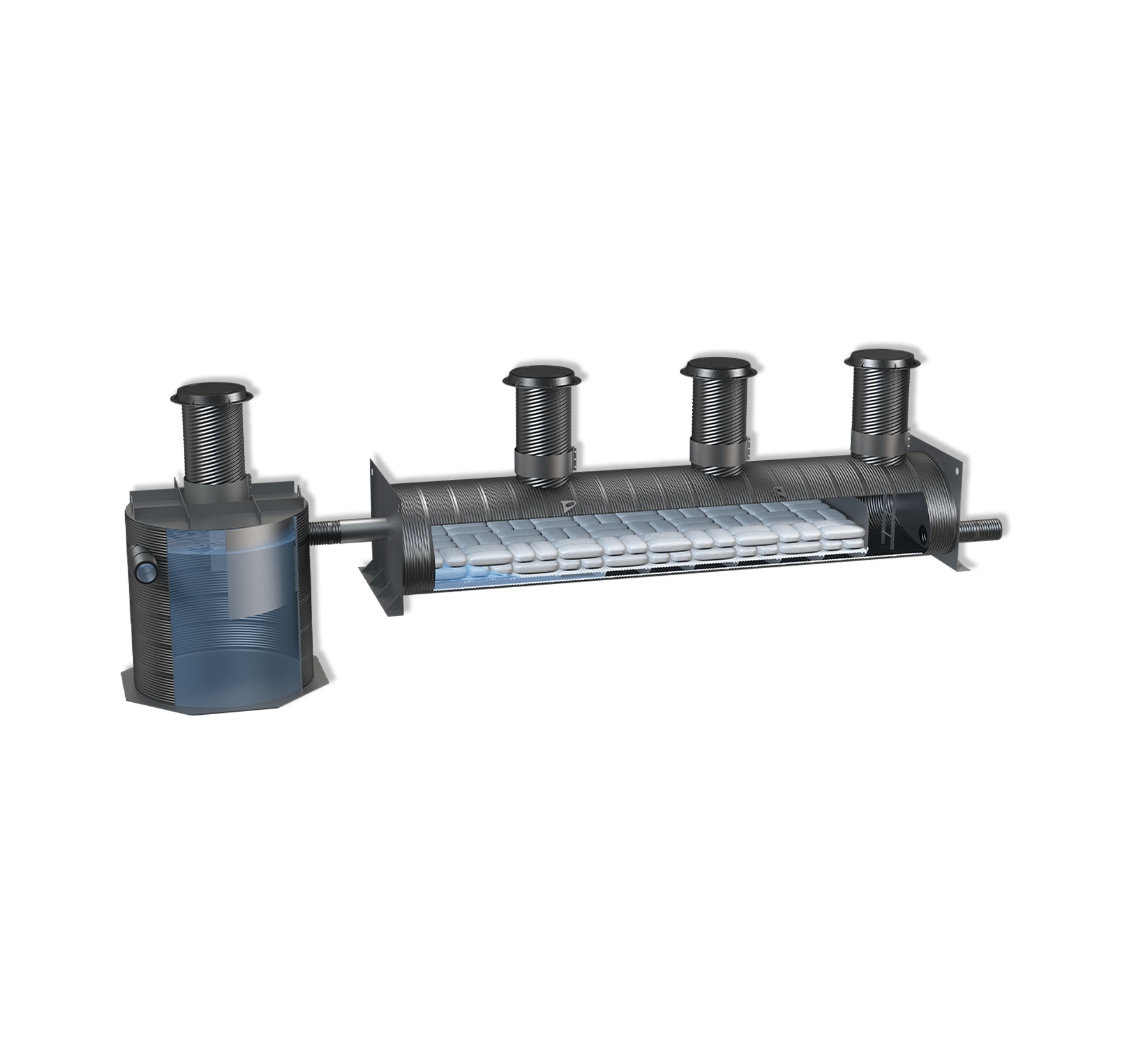
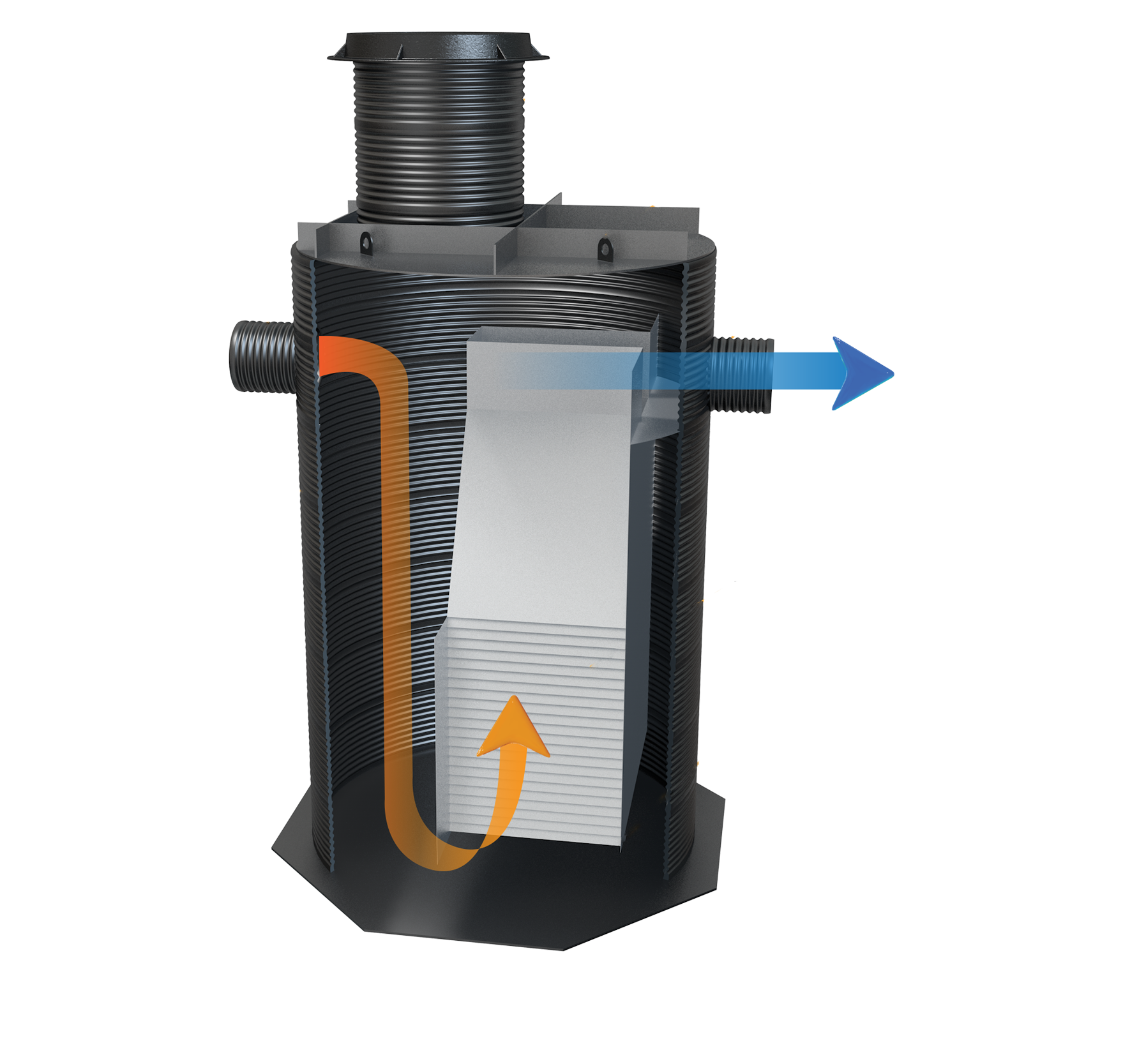
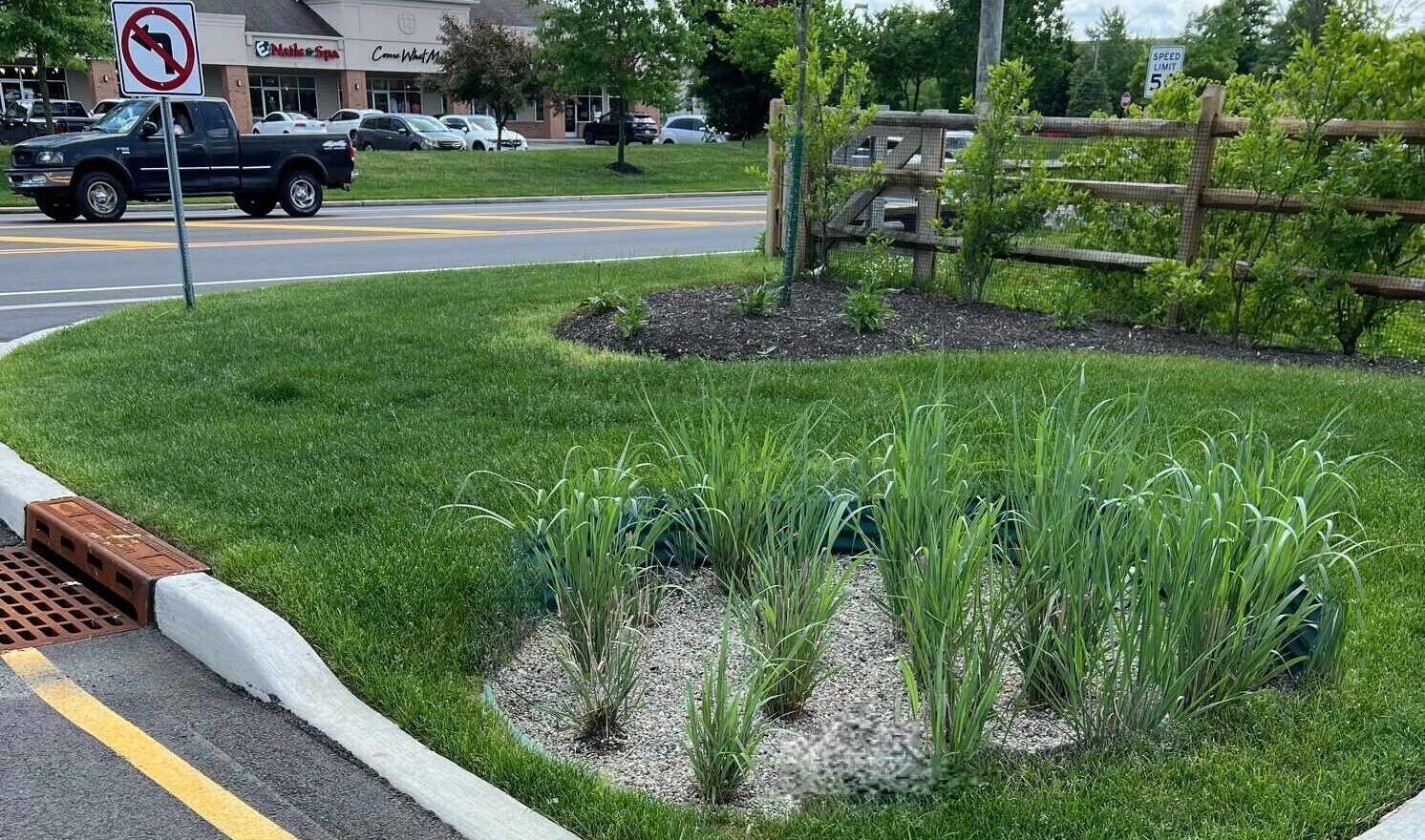
The Aqua-Ponic™ Biofiltration System is a “planter” design intended to provide a green infrastructure solution to meet LID design practices. The Aqua-Ponic™ can be used to complement other underground LID practices such as water storage for rainwater harvesting, detention and infiltration. The Aqua-Ponic™ can be installed in association with raingardens, streetscapes, parking lots, or other land uses where manufactured biofiltration technology enhances stormwater management on the site.

Proven Performance and Functionality
Independent testing documents that the filter media used in the Aqua-Ponic™ achieves a high level of performance for the removal of sediment and other pollutants contained in stormwater runoff at a flow rate in excess of other manufactured biofiltration devices.
Easy Installation, Inspection & Maintenance
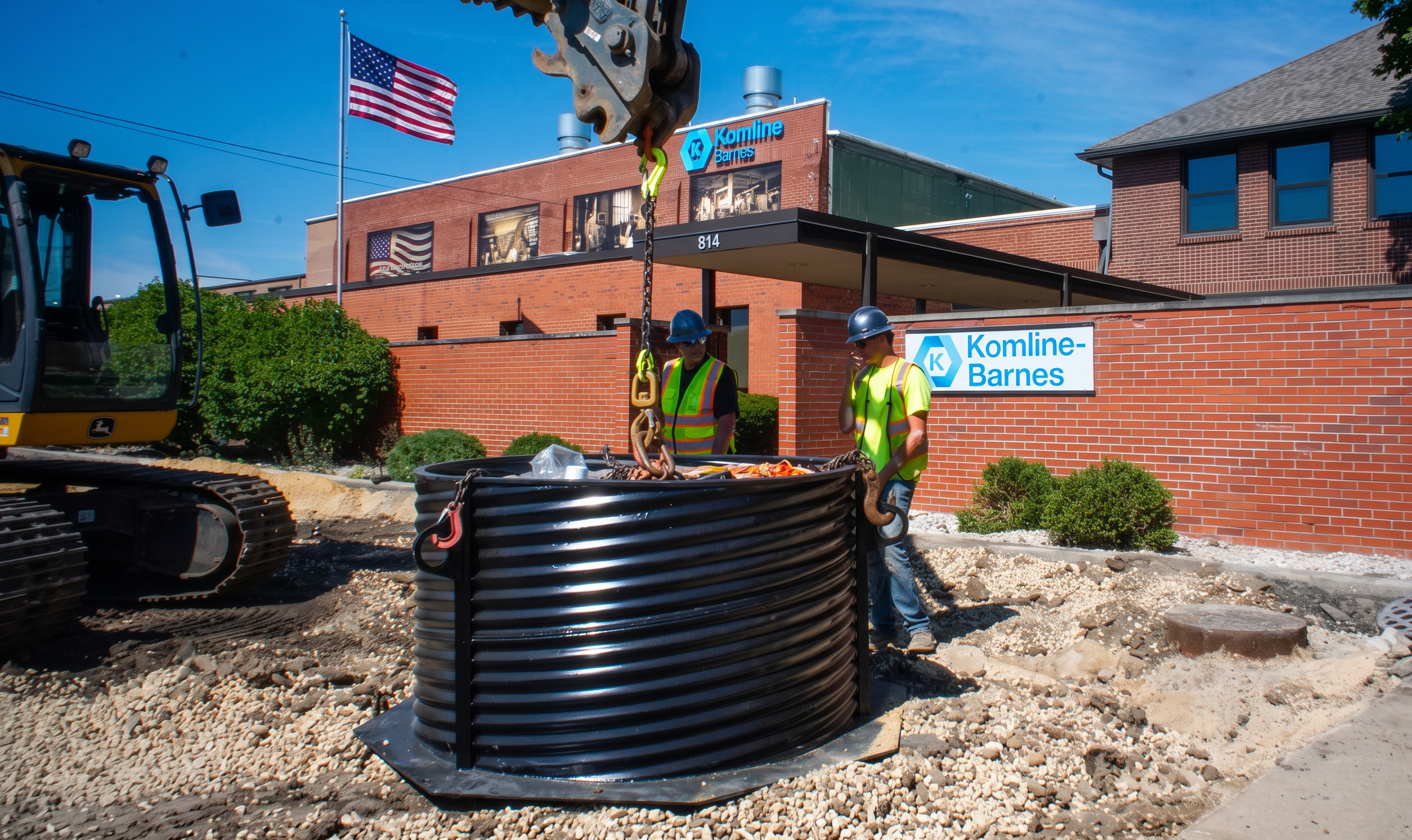
The Aqua-Ponic™ design uses a lightweight, durable and modular unit approach with no moving parts. An outlet stub-out allows for quick installation and connection to the stormwater conveyance system. Inspection and maintenance activities are simplified via open and direct access to the inlet, vegetation and media. Only the upper most portions of the media components typically need replacement when warranted. While full replacement of media and plants may be necessary depending on site conditions, those tasks can be completed from the surface without the need for special tools or equipment.

Aqua-Ponic™ Certifications
- NJDEP - New Jersey Department of Environmental Protection
- WDOE - Washington Dept. of Ecology - General Use Level Designation (GULD)
Videos
Aqua-Ponic™ Installation
AquaShield's latest innovation in biofiltration, Aqua-Ponic™. This video describes the simple installation process of adding plant stabilization media, geotextile, plants, and pea gravel.
Aqua-Ponic™ Biofiltration: Green Infrastructure & Low Impact Development
The demand for Green Infrastructure is rapidly rising, and with it, the use of Biofiltration. This popular stormwater management practice offers an urban solution for site designs based on the principles of Low Impact Development, or LID, which addresses both runoff reduction and water quality treatment. Aqua-Ponic technology takes an innovative bilateral approach to meet this demand.
How the Aqua-Ponic™ Works
The Aqua-Ponic™ Biofiltration System contains a minimum proprietary blended filter media layer which serves three operational roles by providing (1) pollutant filtration, (2) plant stabilization and (3) facilitating nutrient uptake.
Water flows downward through the media bed and into the underlying sump. The engineered filter media actively filters nutrients and metals during a runoff event whereby the plants will experience uptake to support plant viability. A supporting perforated steel sheet underlies the media bed. A post-filtration flow control orifice is placed across the outlet pipe opening to facilitate an even distribution of influent runoff across the filter treatment area.
Treated water in excess of the sump storage volume exits the system via the outlet opening just below the base of the media bed. The water retained in the sump serves as a water reservoir for the vegetation during dry periods. A series of wicks are suspended from the base of the plant stabilization bed and extend downward to draw moisture back to the media bed.
Installation
Since the modular Aqua-Ponic™ is constructed of durable and lightweight Polymer Coated Steel (PCS), it can be installed without the use of heavy lifting equipment.
Four routine underground installation steps for the AquaShield™ Aqua-Ponic™ are recommended below. Site-specific conditions may necessitate deviation from these recommendations.
- Excavation and Bedding: The excavation bottom shall comply with ASTM D 2321, Section 6, Trench Excavation, and Section 7, Installation. The unit is installed on a stable base consisting of Class 1 stone materials per ASTM D 2321, Section 5, Materials; and, compacted to 95% proctor density.
- Outlet Pipe Connection Device: A manufactured stub-out for the outlet pipe is included to allow for simple attachment of the device to the stormwater conveyance pipe with a rubber coupling. This only requires the contractor to supply a rubber coupling to attach the conveyance pipe to the outlet stub-out for the system to function properly.
- Backfill Requirements: Backfill consists of Class 1 (preferred) or Class 2 stone material per ASTM D 2321, Section 5, Materials; and, compacted to 90% proctor density. Standard practices should be implemented to bring backfill material up to near surface grade to ensure structural integrity of the device.
- Activation: The unit is typically shipped without biomedia pre-installed. Inlet to the Aqua-Ponic™ biofiltration chamber should remain intact until the selected vegetation is to be planted. Also, no water should be allowed to flow through the device with the biomedia in-place until the unit is fully activated. We can suggest some plantings best suited for the Aqua-Ponic™, but it is the responsibility of the contractor to obtain the selected vegetation and appropriately plant it within the biomedia. AquaShield™ is not responsible for specifying, supplying, planting or maintaining vegetation. Once the outlet pipe connection is made and the vegetation planted, the unit is ready to receive water and can be activated. It is not necessary for AquaShield™ personnel to be on-site to activate a facility.
Maintenance
Maintenance frequency for the Aqua-Ponic™ will ultimately be determined by site-specific pollutant loading conditions. Inspections of the plants, top media layer and the upper portion of the proprietary media can be accomplished from the surface without special tools. AquaShield™ recommends periodic inspections following installation to determine a site-specific maintenance cycle to ensure functionality of the media and the vegetation.
We recommend that periodic system inspections be performed to determine the pollutant and trash loading characteristics. In general, quarterly inspections should be performed during the first year or operation. It is common for biofiltration technologies to undergo annual maintenance that can include media and plant replacement. It is important that a consistent maintenance program be established for the Aqua-Ponic™. AquaShield™ furnishes Inspection and Maintenance Manuals for each project installation to track and document system operations and maintenance needs.
An Aqua-Ponic™ maintenance event should first determine any obvious signs of degradation, displacement, sediment or trash accumulation, or oil in the upper layer of the unit. Depending on site conditions, it may be necessary to remove the media and all the plants and completely replace these components of the system.
All inspections and maintenance activities can be performed from the surface without the need for AquaShield™ personnel to be present. We recommend that all materials removed during the maintenance process be handled and disposed in accordance with all applicable federal, state and local guidelines.