
Applications
Benefits
Thorough Screenings Washing
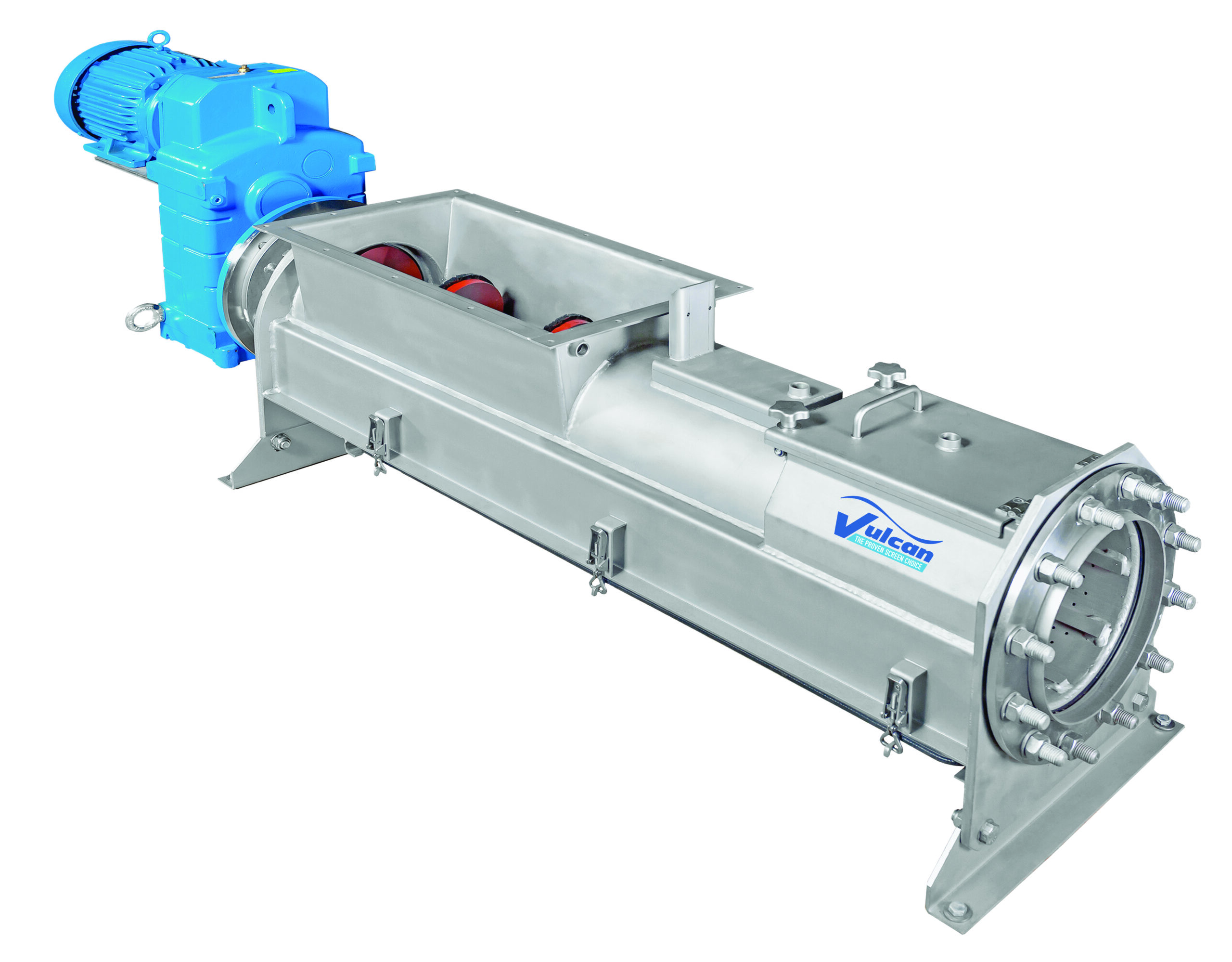
Wash water is injected through openings in the hollow screw shaft and from a nozzle above the washing zone. The spiral repeatedly compacts and loosens the screenings through at least four cycles, exposing more material for effective washing.
High-Capacity Operation
The EWP continuously washes, compacts, dewaters, and transports large screenings volumes in a single system. Multiple available sizes provide processing capacities of up to 247 cubic feet per hour.
Reduced Hauling and Disposal Costs
Progressive compaction and dewatering reduce screenings volume by 70% to 85% before discharge. Producing smaller, drier loads helps reduce the material requiring transportation and disposal.
Premium Washing Performance
Internal wash-water injection, adjustable multi-cycle washing, and a self-cleaning wedge-wire drain work together to separate organics and remove excess water. The result is cleaner, drier screenings that are easier to handle downstream.
Minimized Maintenance
A cantilevered, large-diameter screw supported by a heavy-duty axial thrust bearing eliminates wear bars and metal-to-metal contact. This design reduces component wear while withstanding high compaction and reversal loads.
High Organic Removal
Repeated washing, compaction, and reversal cycles squeeze out wash water and separated organic material. This process can remove up to 90% of organics from the screenings.